
Learn how to shop designer sales at Neiman Marcus, Saks, Nordstrom, and more like a style insider. Transform impulse buys into smart investments with this expert-curated guide.
During designer sale season, coveted pieces that have been out of your budget at full prices are now marked down. It’s thrilling to know that designer items featuring luxury fabrics, such as silk, cashmere, and Italian leather, are now available at a discount price. However, all this excitement can lead to the risk of overspending, buying trendy pieces that will be forgotten within a month, or missing out on essential, classic, and timeless pieces.
I want to help you make wise decisions for the next designer sale you shop, whether it’s online or in-store. This comprehensive guide provides everything you need to know to make informed purchasing decisions when shopping for luxury pieces during a designer sale.
This guide will help you transition from an impulse buyer to a strategic shopper who knows how to invest in pieces that build your personal style. Let’s get started.
Research Retailers and Designer Sale Dates
To begin, it’s essential to know when luxury retail has its considerable sales period. Often, it’s during June and July, as well as during Black Friday, Cyber Monday, after Christmas, and end-of-season clearances. Additionally, top-tier luxury brands such as Louis Vuitton, Fendi, Gucci, Dior, and Chanel hold private sales, offering them to select customers before the general public. This offers early access and a good selection. Occasionally, luxury department stores also have private sales.
Subscribing to newsletters from luxury retailers like Neiman Marcus, Saks Fifth Avenue, Bergdorf Goodman, Bloomingdale’s, Nordstrom, Net-A-Porter, and top-tier luxury designer boutiques can give you a heads-up on designer sales, early access, private sales, and exclusive discount codes.
What Classic Pieces are Your Wardrobe Missing?
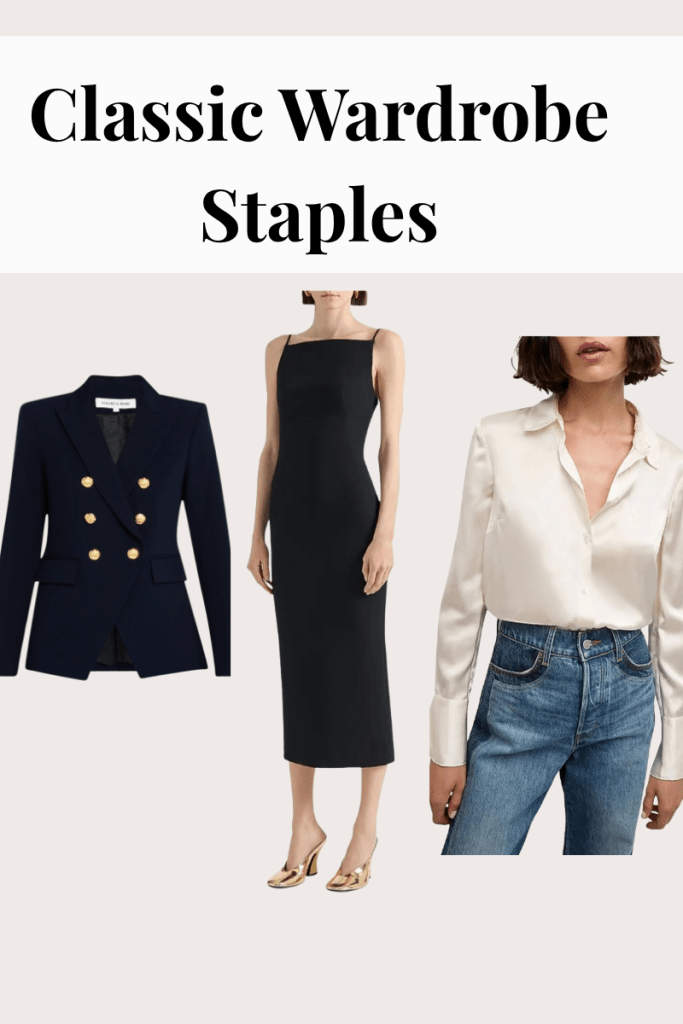
It’s key to go through your wardrobe and assess what classic and timeless pieces are missing from your current wardrobe, or could use a refresh. For example, if you are missing a classic navy blazer for meetings, a little black dress for events, or a versatile pair of boots that work with everything, or you notice that your wardrobe is full of trendy pieces that are either out of style or will not be chic anytime soon, then it’s time to make a change.
This is the perfect time to take inventory of what you have and what you don’t, so by shopping at a designer sale, you can find great, classic pieces that will last for years to come.
Additionally, it prevents you from buying duplicate pieces that you already own, ensuring that each piece you purchase at the sale serves its intended purpose.
Look Over Your Luxury Wishlist
Before you start shopping in-store or browsing websites, create a specific wishlist of designers, styles, and silhouettes that you genuinely want. A seasoned shopper doesn’t buy immediately; they add, wait, and watch.
If you see something you know you love, add the piece to your cart and wait for flash sales, weekend events, or deeper discounts during the designer sale. Consider the gaps in your wardrobe, including your dream designer items and classic, chic pieces.
Using digital wishlists and creating fashion mood boards can be valuable in knowing what you want ahead of time, how you’ll style these pieces, and ensuring that you won’t just buy random designer sale pieces. Luxury brands sometimes teeter on price drops or quietly add extra promotions mid-week.
Know the Designers’ Size Charts
Designer brands often have inconsistent sizing across their different lines and seasons. When shopping online, check the designer’s size chart for each piece, rather than assuming your size is the same across all items.
Another factor to consider is the variety of luxury fabrics. Understand your measurements and the materials that best flatter your figure. This strategy helps you to avoid buying pieces that “kind of fit”.
It’s ideal to try items on in-store first. Then, you can hunt for better deals online or consider them and go online to make a purchase.
Set Your Budget Boundaries
The most important step in this guide is to set a realistic spending budget before you start browsing and shopping. Even with significant markdowns, you could find yourself overspending before you know it.
Consider the cost-per-wear formula: divide the sale price by the frequency at which you realistically expect to wear the piece. For example, A $1,200 blazer worn 30 times costs $40.00 per wear. When you shop for luxury with the concept of longevity in mind, the numbers start to favor the investment.
Invest in staple pieces like coats, bags, shoes, blazers, and black dresses, and you will be able to rotate these pieces effortlessly. You may be paying a higher price, yet the versatility and quality are priceless.
Know your Color Palette
Your wardrobe color palette is very important when shopping at a designer sale. Classic colors like black, white, camel, and navy are adaptable for styling than seasonal shades. However, if your closet is full of chocolate browns, then by all means choose pieces that coordinate well with your color palette. The bottom line is that whatever colors dominate your wardrobe, those are the shades you should be shopping for.
Additionally, if you find a piece that is outside your color capsule, a signature piece in an unusual color for you may be worth investing in to add a unique element to your wardrobe.
Shop for Staples First, Statements Second
Designer sales are a goldmine for elevated staples such as well-tailored blazers, trousers, silk blouses, and leather accessories that never go out of style.
After you’ve shopped for core pieces, you can shop for items that represent your favorite designer’s trademark pieces. Louboutin shoes, Hermes scarves, and Chanel jackets are all signature pieces that hold their value and are instantly recognizable.
These pieces are more likely to be genuine investment pieces rather than lower-tier items that are specifically offered during sales.
Compare Prices with Other Retailers
Not all sales are created equal. If an item is deeply discounted and appears to be a great deal, it doesn’t necessarily mean it’s the best price. High-end retailers like Net-A-Porter, Nordstrom, and Saks often offer discounts on the same items at slightly different times or percentages.
As a shopper, you can get ahead by:
- Sign up for newsletters – The best way to be notified of upcoming designer sales, pop-up sales, and additional markdowns.
- Check Sale selections regularly – Most online stores have a dedicated “Sale” section that is constantly updated.
- Compare Prices Across Retailers – If you have a specific item in mind, check all retailers to see who currently offers the best price.
- Have Patience – Unless it’s a highly coveted item, waiting a bit could lead to deeper discounts. However, it may sell out, so trust your instinct when it’s time to purchase.
- Seasonal Sales – The best time for significant discounts is post-holiday sales, such as after Christmas, Memorial Day, and Labor Day, as well as during major shopping events like Black Friday and Cyber Monday.
Quality Control: What to Examine
Inspect Construction Details
Sale items can have minor flaws or construction issues. Examine seams, hardware, and finishing details carefully. Look for loose threads, uneven stitching, or damaged hardware.
If you encounter minor issues during a discount sale, that is often common; however, if there are major construction flaws, it should be a deal-breaker.
Check Care Requirements
Luxury pieces require special care that enhances their lifespan and value. It’s essential to know how to care for certain pieces, such as a silk blouse that may require professional cleaning after every wear, or suede boots that need to undergo expensive waterproofing treatment. Factor in these recurring costs when making a purchase decision.
Smart Shopping Tactics
Shop Early for the Best Selection
At the beginning of a designer sale, the most coveted items typically sell out within the first 24 – 48 hours. Set a calendar reminder and be ready for when the sale premieres.
Don’t Forget Accessories
While most shoppers are looking for designer fashion finds and handbags, other accessories are just as essential to building a chic, stylish wardrobe. Scarves, belts, small leather goods, and jewelry can elevate an outfit to a whole new level.
If you are on a restricted budget, shopping for designer accessories is a great way to become familiar with a designer you may not have purchased from before.
Consider Buying Off-Season
It may seem pointless to buy a winter coat in the middle of July. However, buying coats off-season offers major discounts. This includes, at the end of summer, before the fall fashion takes off.
If you have storage space that allows you to shop for off-season items, you can enjoy the exceptional value on the pieces you will love and have for years to come.
Verify Authenticity Markers
When shopping at designer sales, especially online or through third-party retailers, authentication is crucial. Research specific authenticity markers for the brands you are considering. Important markers are:
- Serial numbers
- Date codes
- Hardware details
- Packaging specifics
- Craftsmanship and stitching
Reputable luxury department stores, such as Neiman Marcus, Saks Fifth Avenue, Bergdorf Goodman, Nordstrom, and Harrods, purchase their inventory directly from the luxury brands themselves. These luxury retailers have established long-standing relationships with these brands.
Luxury retail department stores have a reputation to uphold. Additionally, a luxury brand’s own boutique, similar to a flagship store, ensures authenticity.
Luxury consignment stores such as Vestiaire, MyTeresa, Farfetch, and Modaoperandi are direct luxury online retailers who source their items very carefully and claim to have a sourcing model that guarantees authenticity. However, it is always a good practice to inspect any item upon arrival for condition and authenticity markers mentioned in this guide, especially if it’s a sale item.
Know the Retailer’s Return Policy and Final Sale Print
It’s crucial that you understand the retailer’s return policy before making any designer sale purchase. Retailers often modify their return policies, such as final sale, store credit only, or a short return window.
You can usually find the retailer’s sale return policy on their website. Many designer sale items fall under the “Final Sale” category, which means there’s no return or exchange policy. You bought it, you own it.
It’s heartbreaking to buy a beautiful designer dress, especially online, and then realize that it doesn’t fit properly or doesn’t fit at all. The piece, sadly, sits in your closet; the resale value is low, and you wasted your hard-earned money. Read the return policy thoroughly.
Investment Mindset: Long-Term Value
Consider the Potential for Resale
There are specific luxury pieces that are a safe investment at sale prices because they maintain their strong resale value. Research brands and styles that perform well in luxury consignment markets. Having this vital information can help you to make wiser purchasing decisions, especially for pieces you’re not familiar with or have never purchased before.
Think Beyond Trends
The biggest mistake many shoppers make when shopping at designer sales is that they impulse-buy trending items. This is not a good investment. It’s easy to be influenced by the latest “it” bag or a dress that has gone viral; however, focusing on timeless, classic pieces that transcend seasonal trends is a savvier investment.
Look for classic silhouettes, timeless patterns, and quality construction that will be relevant next month and for years to come. Investing in these pieces becomes a wardrobe foundation that you can constantly build around rather than one-season wonders.
The Final Decision
Think it Over for 24 Hours
For pieces that are not in high demand or are at risk of selling out, consider waiting 24 hours before you purchase. Save the items you want to your digital wishlist; many retailers offer this feature on their websites. The concept behind this strategy is that after 24 hours have passed, it helps you distinguish between genuine desire and sale-induced impulse buying.
Always prioritize items that are highly sought after. It’s a good practice to follow this even before the designer sale begins, by adding the piece to your wishlist. This approach helps you determine if you truly want this piece.
Trust Your Instincts
After applying all the strategies in this guide, trust your gut reactions. If something doesn’t feel right, the fit is off, the color doesn’t complement your skin tone, or you can’t see yourself in any occasion or have a clear way of styling the piece, trust what your instinct is telling you.
The best designer sale pieces are the items you will wear repeatedly, and they’re timeless and classic. You don’t want to buy frivolous items that will sit in your closet or have a low resale value in the luxury consignment markets.
Your Designer Sale Success Checklist
Before Shopping
- Give your wardrobe a look over
- Create an investment priority list
- Establish a realistic budget and stick with it
- Research original prices and compare sale prices across retailers
During Shopping
- Use the 24-hour strategy on items that are not at high risk of selling out
- Know the designer’s size charts across collections, styles, and seasons
- Inspect the quality of the piece
- Verify the authenticity of the piece
- Understand the care the piece needs for longevity
Decision-Making Time
- Calculate cost-per-wear
- Read through the return policy and understand the fine print
- Consider the potential resale value
- Trust Your instinct
Conclusion
This guide has given you everything you need to shop the next designer sale that comes your way. Each piece you purchase should earn its place in your wardrobe and style through versatility, quality, and personal joy. If it makes you feel good, then you’ve made a good purchase.
A successful luxury shopper approaches each item like a style curator. They understand that true luxury is not about filling a closet with designer labels; it’s about choosing pieces that enhance their personal style and provide lasting value.
Using the strategies in this guide for the designer sale season can shift the focus from how much you’re saving to what you’re gaining in terms of style elevation. The result? A thoughtfully curated wardrobe of pieces you’ll treasure now and for years to come. Happy Shopping!

Freelance shopping content writer Jennifer Levins specializes in writing shopping guides, lists, gift guides, tips, style edits, product roundups, and trend reports in fashion, beauty, and home.
 Curation of Luxury